

 See My Latest Article on HelloNation
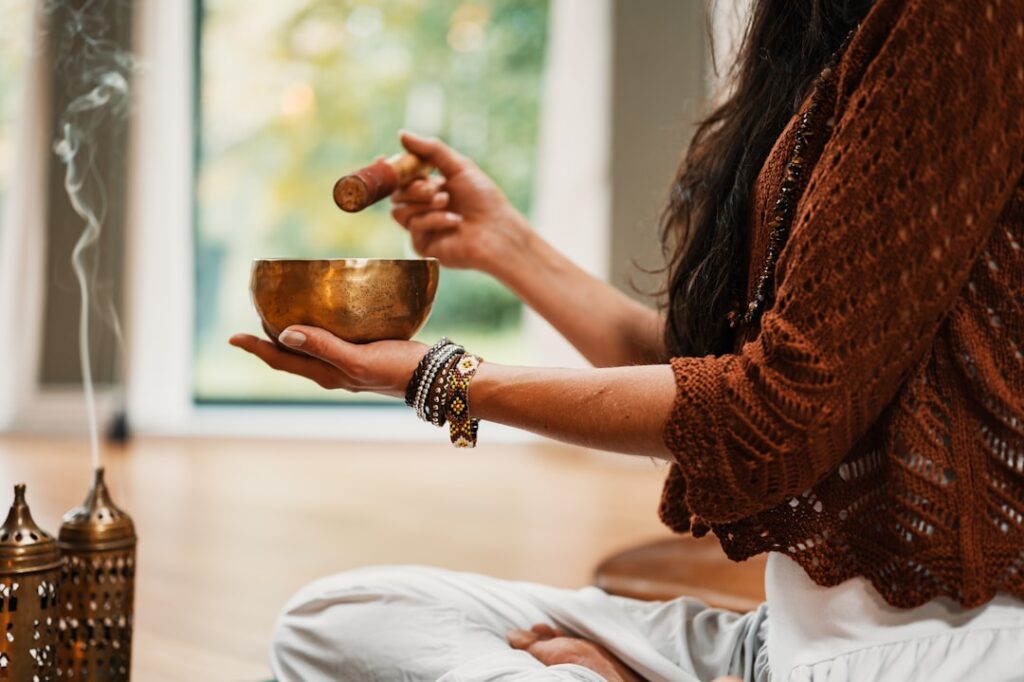
Why Create a Calming Ritual at Home?
Setting aside time for a calming ritual at home supports mental, emotional, and even physical well-being. For residents of Lamesa, TX, the familiar pace of small-town life and the region’s climate can sometimes bring unique stresses, from bustling harvest seasons to hot, dry weather spells. Establishing predictable, soothing moments in daily life can help area households manage these stressors and build resilience.
What Does a Calming Ritual Look Like in Everyday Life?
A calming ritual is any set of intentional actions that eases the mind and body. It can be as simple or elaborate as suits your lifestyle, but it generally includes repeating steps at a regular time—such as before bed, after work, or at sunrise. For local residents, this often means adapting rituals to the realities of West Texas homes: quiet evenings, wide-open outdoor spaces, and the need to cool down and unwind after hot summer days.
Elements may include:
- Mindful breathing or quiet reflection
- Light stretching or gentle movement
- Aromatherapy, herbal teas, or comfort foods
- Soft lighting, such as lamps or candles (where safe)
- Calming sounds, like music or wind chimes
There’s no single “right way”—the most beneficial rituals are those that fit naturally into daily routines in Lamesa households.
How Can You Choose the Right Time and Space for a Ritual?
For most residents, the best time for a calming ritual is when interruptions are least likely. Early mornings are often peaceful before daily responsibilities begin, while evenings can offer an opportunity to unwind with the family or alone. Given the region’s hot afternoons, indoor rituals may be preferable during summer; in cooler months or early evening, sitting on a porch or near an open window may add a grounding touch.
Considerations for choosing space include:
- Privacy from household activity or street noise
- Comfortable temperature (using fans or shade in summer)
- Space to sit or stretch without crowding other furniture
- Access to any objects or comforts you like to include, such as books, cushions, or a favorite mug
Small homes or busy households may need some creativity, such as designating a specific chair or setting up a calming corner with minimal supplies.
What Local Factors Might Affect Calming Rituals?
Lamesa’s climate, landscape, and common home styles shape how residents create comforting environments. High temperatures and seasonal dust may limit outdoor rituals during certain months. During school terms or harvest seasons, busy schedules can make it trickier to find uninterrupted time.
Adapting calming habits to local realities can include:
- Using blackout curtains or blinds to block harsh afternoon sun and keep rooms cool
- Incorporating gentle fans or “white noise” to mask sounds from nearby traffic or agricultural activity
- Choosing scents that evoke calm, such as lavender, sage, or cedar, which align with familiar West Texas plants
- Scheduling rituals at sunset or sunrise to take advantage of the most comfortable outdoor moments
Building flexibility into routines—rather than sticking rigidly to time or procedures—often leads to greater long-term success for the community’s diverse households.
What Are Some Practical Calming Ritual Examples?
Examples drawn from area lifestyles include:
- Evening transition routine: After supper, dim the lights, play soft instrumental music, and sip a cup of caffeine-free herbal tea by a window as dusk settles over the fields.
- Cooling summer ritual: In late afternoon, retreat indoors, sit near a fan, hold a cool damp washcloth to the forehead, and practice longer exhales while listening to a favorite podcast or audiobook.
- Mindful morning start: Before the day begins, sit outside or near an open door, close the eyes, and focus on birdsong or the feel of the early breeze—even five minutes is effective.
- Family quiet time: After dinner, encourage all household members to put aside screens for 10–15 minutes, instead sharing what brought them joy or relaxation that day.

Every example is meant to be flexible, and can be customized based on weather, family involvement, and personal preference.
How Do You Avoid Common Pitfalls When Establishing a Calming Ritual?
Area residents sometimes worry they’re doing it “wrong” or that they need special tools or extensive quiet. In practice, consistency matters more than perfection. The most common stumbling blocks include:
- Expecting immediate results—calm builds over time
- Setting unrealistic expectations for privacy or silence
- Worrying about interruptions—some days will go more smoothly than others
- Forgetting to adapt rituals as family schedules, seasons, and needs change
Focusing on the intention—carving out a small piece of peace, regardless of circumstances—helps keep these routines practical and sustainable in daily life.
Can You Involve Children or Families?
Many Lamesa households wish to include children or other family members in calming rituals. This can be rewarding, but it benefits from gentle structure and age-appropriate activities.
Simple approaches:
- Invite children to participate in quiet breathing games, light stretches, or easy gratitude journaling
- Encourage participation for just a few minutes before bed or after evening activities
- Share calming crafts (like coloring or arranging natural objects), especially on hot afternoons when outdoor play is less comfortable
These family-inclusive practices help build positive coping skills in youth while encouraging calm for all ages.
What If Your Home Doesn’t Feel Peaceful?
Not every living situation feels naturally calm or private. Shared walls, active pets, or frequent visitors can challenge the atmosphere. Small adjustments can still make a difference:
- Use headphones for music or meditations
- Create a portable “calm kit” (earplugs, aromatherapy, a book, or a handheld fan)
- Communicate your intentions with household members—a simple “I need ten quiet minutes” helps set expectations
Even in busy or modest homes, it is possible to claim a short, calming pause in most daily routines.