

 See My Latest Article on HelloNation
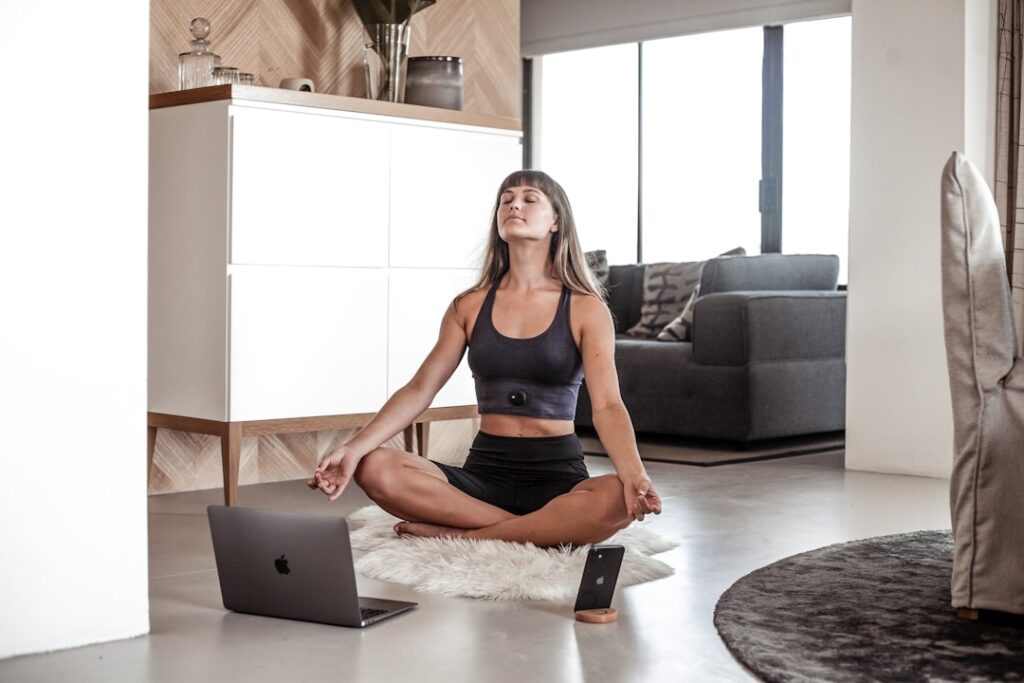
What Is Breathwork and How Can It Help With Focus and Calm?
Breathwork refers to a variety of mindful breathing techniques designed to regulate the body’s stress response and sharpen mental clarity. For many people in Lamesa, learning simple breathing exercises can be valuable for handling stress, staying attentive during daily routines, and improving sleep quality. These approaches do not require special equipment or facilities, making them accessible in both quiet household settings and outdoor spaces throughout the community.
Why Does Breathing Influence Mental State?
Breathing is one of the few automatic functions the body can consciously control. When a person breathes slowly and deeply, signals are sent to the nervous system that encourage a calm, relaxed state. Fast or shallow breathing may increase feelings of anxiety, which is why mindful techniques are often used to reset emotional balance.
Research shows that intentional breath patterns affect:
- Heart rate variability — linked to resilience to stress.
- Oxygen flow to the brain — helping with alertness.
- The balance of carbon dioxide — supporting both physical and mental relaxation.
Residents who experience mid-afternoon fatigue, stress from unpredictable weather changes, or struggle with attentiveness may notice a difference within a few minutes of practice.
Which Breathwork Techniques Are Effective for Focus?
Several exercises are practical to use at home, at work, or during study. The following methods are widely used for sharpening attention without causing drowsiness.
1. Box Breathing
Box breathing (also known as four-square breathing) provides structure that is easy to recall. It is commonly used by students and professionals hoping to reduce distractions or mental clutter.
- Breathe in through your nose for a count of 4.
- Hold your breath for a count of 4.
- Exhale slowly for a count of 4.
- Pause with empty lungs for a count of 4.
Repeat the cycle for one to five minutes. This pattern is particularly helpful before tests, meetings, or any activity that requires sustained focus.
2. Alternate Nostril Breathing
This technique can help local residents who feel mentally scattered or overwhelmed.
- Close the right nostril with your thumb.
- Inhale gently through the left nostril.
- Switch: close the left nostril with the ring finger, release the right.
- Exhale through the right nostril.
- Inhale through the right nostril, switch, and then exhale through the left.
This rhythmic pattern helps balance both sides of the brain and is calming without being sedating.
What Breathing Techniques Are Most Calming for Area Households?
Focusing on the exhale is especially useful for promoting relaxation. The following methods are designed to activate the parasympathetic nervous system, which counteracts the stress response.
1. 4-7-8 Breathing
This technique can be useful for local residents managing bedtime restlessness or midday stress.
- Inhale quietly through the nose for 4 seconds.
- Hold the breath for 7 seconds.
- Exhale audibly through the mouth for 8 seconds.

The longer exhale encourages the body to let go of tension. Two to four cycles are often enough to promote calm.
2. Extended Exhalation Breathing
If complex patterns feel overwhelming, start with a simple extension of the exhalation:
- Breathe in through your nose for 3–4 seconds.
- Slowly exhale for 6–8 seconds.
This can be repeated until feelings of anxiety ebb. Practicing at home in a quiet corner, especially during high-wind or dusty weather common in the region, helps build long-term resilience.
Is Breathwork Safe for Everyone? Are There Common Misconceptions?
Most gentle breathwork exercises are considered safe for the majority of people. However, it is a misconception that deeper or forceful breathing is always better. Rapid or forceful breathwork may cause dizziness or a sensation of lightheadedness; these practices should be avoided or approached with caution by those with respiratory or cardiovascular conditions. Start slowly and always return to natural breathing if discomfort emerges.
During spring and fall in Lamesa, shifts in air quality can make nasal breathing temporarily uncomfortable. On high pollen or dust days, practicing indoors with filtered air may help.
How Can Local Residents Incorporate Breathwork in Daily Life?
Breathwork can be woven into everyday activities:
- During breaks at work or school, take one to two minutes for a structured breathing practice.
- If weather permits, find a shaded porch or backyard area in the morning or early evening for a few cycles of box breathing.
- Use calming breath practices before meals or bedtime to help aid digestion and sleep.
- Encourage children and teens to try mindful breathing when feeling overwhelmed by school responsibilities or social pressures.
Establishing a habit may take practice, but the simple act of pausing to notice and slow the breath can offer steady support for long-term well-being.
What Results Can Area Residents Expect?
Most people who try consistent breathwork report more stable focus, easier transitions through stressful moments, and improved general mood. Results improve steadily with practice, though even a few intentional breaths during daily routines can help.
There's no need for expensive gear or group classes—simply the willingness to pause, sit comfortably, and notice the rhythm of breathing can be enough to experience benefits at home or in quiet corners around the community.