

 See My Latest Article on HelloNation
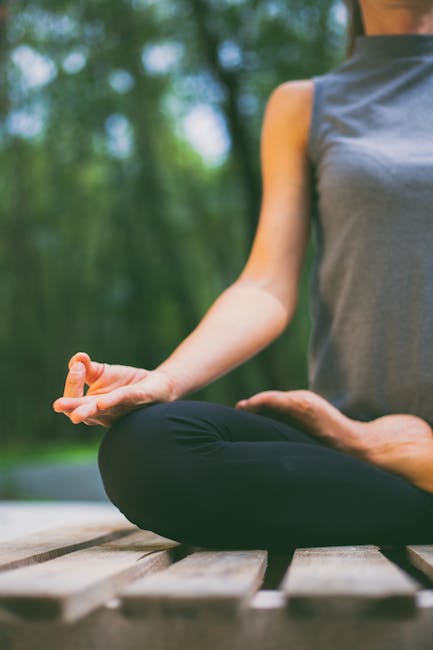
How Does Mindfulness Relieve Everyday Stress?
Mindfulness helps ease daily stress by teaching the mind to pay attention to the present moment rather than dwelling on worries or distractions. By actually noticing thoughts and feelings as they happen, stress doesn’t escalate as quickly, and small irritations or frustrations are less likely to build up throughout the day. This isn’t about eliminating challenges but about facing them with calm, clarity, and less overwhelm.
What Is Mindfulness, Really?
Mindfulness is focusing your full attention on what you’re experiencing right now—whether that’s a feeling, an activity, or a sensation. It doesn’t need special equipment, spiritual beliefs, or long sessions of meditation. For many Lamesa residents, mindfulness looks like:
- Taking a slow breath before responding during an argument
- Noticing the feel of warm sunlight while walking along local streets or fields
- Being aware of tension in the shoulders after a hot, busy day
- Listening closely to birds outside the window, even for a minute
Practicing mindfulness means noticing whatever arises—thoughts, moods, bodily sensations—without rushing to judge them as "good" or "bad."
Why Is Everyday Stress Common in Lamesa?
In a place like Lamesa, where many families balance work, school activities, and caring for land or elderly relatives, life often runs at a steady pace but can feel crowded with responsibilities. Stress may show up as:
- Worry about unpredictable weather and its effects on daily plans or agriculture
- Pressure to maintain a household and yard, especially in Lamesa’s sometimes hot, dry climate
- Juggling obligations across scattered distances, as the community isn’t densely packed
These everyday pressures can add up. Mindfulness doesn’t remove the need to get things done, but it helps residents face demands without letting stress run the show.
Can Mindfulness Fit Busy Schedules?
You don’t need to set aside long periods of time or make big changes. Even brief moments of mindful attention throughout the day can make a difference, such as:
- Pausing at a red light to watch your breath
- Taking a mindful sip of water after unloading groceries in the summer heat
- Noticing the texture of laundry as you fold or hang clothes
Parents, caretakers, and residents with packed routines often find it’s easier to sneak mindfulness into everyday activities than to block off special time for relaxation.
What Changes Happen After Practicing Mindfulness Regularly?
People who bring mindfulness habits into regular routines usually notice:
- A calmer reaction to common annoyances, like long lines, traffic, or household mess
- Less physical tension in the neck, jaw, or back
- Fewer “runaway” worries that spiral into bigger stress
- Improved sleep, as the mind becomes less likely to replay stressful events at bedtime
Some residents report feeling more patient with loved ones and less judgmental toward themselves after a mistake or tough day. These benefits aren’t instant, but small shifts often build over weeks or months.
What Are Common Misconceptions about Mindfulness?
Several myths can stand in the way of trying mindfulness:
- Myth: “You have to sit cross-legged and meditate for an hour.”
*Fact:* Mindfulness can happen in short bursts, whether while gardening, walking, or even waiting at the checkout.
- Myth: “It’s just wishful thinking or denial.”
*Fact:* Mindfulness encourages people to see situations clearly—stressful, pleasant, or neutral—without hiding from reality.
- Myth: “It’s only for people who are already calm.”
*Fact:* Anyone—especially those often frazzled—can gain from even a few mindful breaths each day.
Are There Everyday Examples Relevant to Lamesa?
Mindfulness adapts easily to rural and small-town life. Some locally relevant examples include:
- Observing the change of wind or cloud patterns during routine outdoor chores
- Taking a moment to feel cool shade under trees during heatwaves, instead of rushing right past
- Listening to the subtle sounds of the environment—like a distant tractor, kids playing, or the quiet at midday—instead of tuning them out completely
Mindfulness can turn plain moments into small anchors of steadiness, even in the midst of busier days or unpredictable weather.
What Are Practical First Steps to Try at Home?
Starting is straightforward and doesn’t require changing your schedule. Some simple ideas for area households:
- Set a reminder on your phone to pause and take three slow breaths, once in the morning and once in the evening.
- While waiting for food to cook or water to boil, pay close attention to the sights, smells, and sounds around you.
- During outdoor chores, try to notice the feel of the tools in your hands and the rhythm of your movements.
- Right before bed, spend a minute noticing how the bedding feels, how the air smells, and any gentle household noises.
These small moments add up and can help make stress easier to manage, especially during times when pressures feel high.
When Should Someone Seek Additional Help for Stress?
Mindfulness is highly effective for easing daily strains, but some experiences signal a need for more support. If stress causes sleep loss, constant fatigue, or interferes with relationships and daily activities for an extended period, it may be advisable to speak with a healthcare provider or, in emergencies, call local authorities. Area physicians, school counselors, or publicly available mental health services can answer additional questions in these cases.