
 See My Latest Article on HelloNation
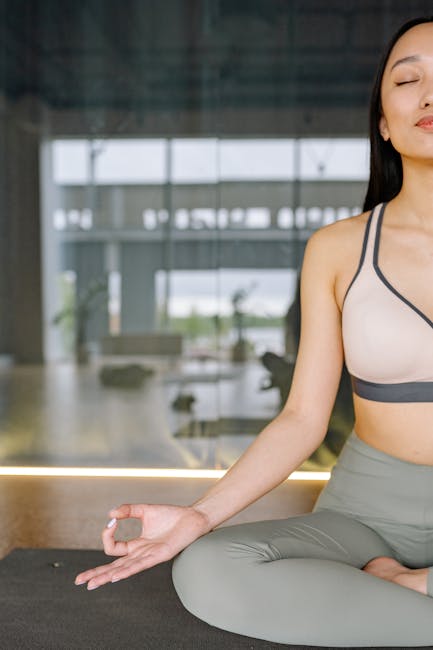
Why Consider Meditation for a Busy Schedule in Lamesa, TX?
Meditation is a flexible practice that can support stress management, focus, and overall well-being—benefits that local residents often seek given the fast pace and varied demands of daily life. Many people in Lamesa wonder if they need lots of free time or special resources to get started. Fortunately, meditation can be meaningfully integrated into almost any schedule, even amid family responsibilities, work commitments, and the unique local routines shaped by West Texas living.
How Can Busy Residents Begin with Just a Few Minutes?
Setting aside even a few minutes each day can be enough to notice small improvements in stress and focus. Residents may start by attaching meditation to an activity already built into their routines:
- Pause for three deep breaths before turning on the car, especially during hectic commutes along Lamesa’s main roads.
- Practice a minute of quiet breathing while waiting for coffee to brew or a meal to reheat—short windows that naturally occur in kitchens across the area.
- Take a “mindful moment” before entering a busy store or while waiting in line, simply noticing your body and surroundings.
These brief periods, practiced regularly, form the core of a sustainable habit.
What Meditation Methods Work Well in Small Spaces or Shared Homes?
Not everyone in Lamesa lives in a large house with private rooms. For apartment dwellers, shared homes, or those with busy households, meditation can be adapted:
- Use a chair, a cushion, or even the edge of your bed.
- Noise-cancelling headphones or soft background noise can make meditation more comfortable in noisy environments.
- Visual focus, such as gazing at a candle or a single object, can be soothing for those distracted by a lot of movement around them.
- Walking meditation is a gentle option—simply pay attention to each step while moving through your yard, garden, or hallway.
If finding a quiet moment feels difficult, try making meditation part of routines already in place, such as before sleep or immediately upon waking.
Are There Ways to Involve Family Members or Kids?
Some residents find that including spouses, children, or other household members helps normalize meditation and increases follow-through. Consider:
- Inviting children to join for a one-minute “quiet time” challenge, turning it into a game.
- Practicing guided breathing together after a meal or before bedtime, making it a shared wind-down.
- Using simple language like “let’s listen to the wind for one minute” on breezy Lamesa evenings for a nature-based approach.
No family schedule or temperament is the same, so experimentation often helps uncover what fits best.
Is Meditation Helpful During Lamesa’s Weather Extremes or Power Outages?
Lamesa locals deal with harsh heat, sudden storms, and occasional outages. Meditation is both portable and tool-free, so it works during these unpredictable moments:
- During summer heatwaves, quiet sitting can be more restful than physical activities.
- If a storm causes stress or discomfort, a brief body scan meditation—directing attention slowly from head to toe—can help reduce anxiety.
- Should an outage limit entertainment options, mindful listening to night sounds, rain, or one’s own breath offers a calming alternative that suits all ages.
Flexibility makes meditation resilient to Lamesa’s unique climate pressures.
How Can Meditation Benefit Work or School Performance?
Daily pressures from jobs or school can be high, especially during seasonal changes when routines often shift. Some residents use meditation techniques discreetly in these settings:
- Take two minutes at a desk to notice your breath or feet on the floor before tackling challenging emails or assignments.
- Use breaks for a quick check-in: observe what thoughts are present without judging them, then return to work refreshed.
- For students or teachers, one or two mindful breaths between classes can reset focus and improve patience.
These strategies require no special equipment and can be adapted to the city’s varied work environments.
What Misconceptions Do People in Lamesa Have About Meditation?
Many assume that meditation must be done cross-legged on the floor, in total silence, or for long stretches. In reality:
- You do not need to empty your mind; noticing thoughts and coming back to the breath is the entire practice.
- Consistency matters more than session length; two minutes most days outweighs twenty minutes once per month.
- Any posture is fine, as long as it’s comfortable and safe—sitting straight in a kitchen chair is just as effective.
- Meditation is not tied to any specific belief system and can be practiced secularly for focus and relaxation.
Recognizing these realities often helps beginners feel more confident to try.
Are Local Groups or Online Resources Helpful for Lamesa Residents?
Some area residents prefer community for motivation, while others like free online tutorials or apps. Both can supplement personal practice:
- Many find audio-guided meditations convenient for busy households—available for download with limited data needs.
- Written scripts or printouts can be left on bedside tables or refrigerators as reminders.
- Virtual support platforms offer schedules and accountability without requiring travel, which is useful for those seeking flexibility.
Participation in meditation doesn’t require a group, but connecting with trusted information sources can support new habits.
How Can Meditation Fit During High-Stress Local Seasons?
During periods such as harvest, school start, or major local events, stress levels often climb. Meditation is especially well-suited for managing these peaks:
- Micro-practices, such as three focused breaths between tasks or chores, accumulate real benefits.
- Quick meditations before sleep can support better rest, especially when schedules feel overloaded.
- Noticing the rhythm of breathing or simple sensations during outdoor work (feeling a breeze, noting warmth from the sun) transforms routine moments into chances for mindfulness.
By anchoring the practice to high-stress seasons, meditation becomes a practical coping tool specific to the community’s rhythm.