

 See My Latest Article on HelloNation
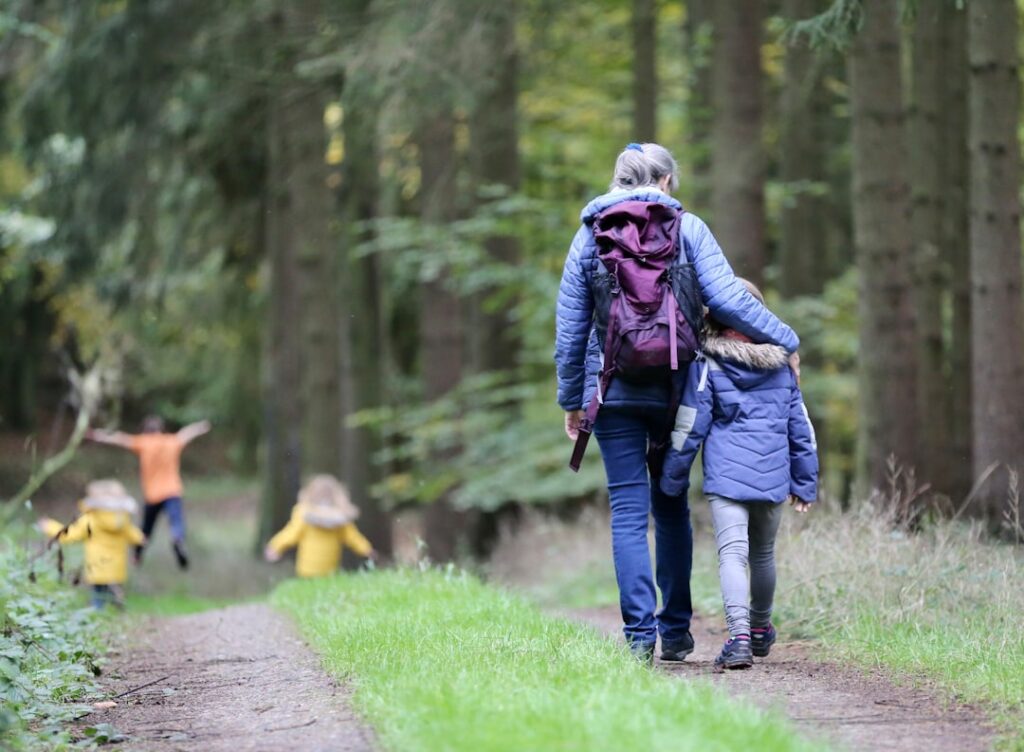
Walking outdoors can support physical health, emotional balance, sleep, and mental focus without requiring special equipment or an intense exercise plan. For residents of Lamesa, regular nature walks can be adapted to local weather, available outdoor spaces, personal mobility, and seasonal comfort.
What does a nature walk do for wellbeing?
A nature walk combines gentle movement with exposure to outdoor surroundings. This combination may help reduce stress, improve mood, support circulation, and make physical activity feel less like a chore.
Walking encourages the body to use large muscle groups while placing less strain on the joints than many high-impact activities. Even a relaxed pace can support cardiovascular health when practiced consistently. The benefits are often greater when walking becomes a regular habit rather than an occasional effort.
Natural settings may also help the nervous system shift away from constant alertness. Trees, open skies, birdsong, changing light, and the rhythm of footsteps can give the mind a simpler set of sights and sounds to process. This does not replace medical care for anxiety, depression, or other health conditions, but it can be a useful part of a broader wellness routine.
Can walking outdoors improve mental health?
Outdoor walking may ease everyday stress and support a more settled mood. A change of setting can interrupt repetitive thoughts, screen fatigue, and the feeling of being indoors for too long.
Some people find that walking helps them:
- Think through a problem more clearly
- Feel less tense after a difficult day
- Regain focus before work or household responsibilities
- Sleep more comfortably when walking is done earlier in the day
- Spend meaningful time alone or with family
The mental benefit does not depend on finding a remote wilderness setting. A quiet residential route, open grassy area, shaded path, or tree-lined section of the community may provide enough variety to make the walk restorative.
A nature walk also offers a chance to practice attention. Instead of rushing through the route, notice the temperature, texture of the ground, movement of clouds, plant growth, or sounds nearby. This type of present-moment awareness is sometimes called mindful walking.
How much walking is enough?
There is no single distance that works for everyone. A practical starting point is 10 to 15 minutes at a comfortable pace, several days per week. The duration can gradually increase as energy, confidence, and joint comfort allow.
For a beginning walker, a useful pattern may be:
- Walk for five minutes away from home and five minutes back.
- Add a few minutes every several days if the body feels comfortable.
- Use a pace that allows conversation without severe breathlessness.
- Take shorter walks more often instead of forcing one long walk.
- Include rest days when soreness or fatigue is unusual.
People who are already active may benefit from longer walks or gentle changes in pace. However, longer is not automatically better. A manageable routine that can be repeated is usually more useful than an ambitious schedule that leads to pain or discouragement.
What should local residents consider before walking?
Weather deserves special attention in Lamesa. Hot, sunny conditions can increase the risk of dehydration and heat-related illness, while strong wind, dust, cold temperatures, or sudden weather changes can make a route uncomfortable or unsafe.
Consider walking during cooler parts of the day, especially in warmer months. Early morning or evening may be more comfortable, although visibility and personal safety should also be considered. In colder weather, layers can make it easier to adjust as the body warms.
Helpful precautions include:
- Carry water, especially for walks longer than a short neighborhood loop.
- Wear a hat, sunglasses, and breathable clothing in bright or hot conditions.
- Use sunscreen on exposed skin.
- Check the forecast for excessive heat, high wind, dust, storms, or freezing temperatures.
- Choose footwear with a secure fit and enough traction for the surface.
- Avoid walking through areas with poor visibility, standing water, damaged pavement, or loose debris.
- Let someone know the route when walking alone for an extended period.

People with heart or lung conditions, balance concerns, diabetes, severe joint pain, or limited mobility may need a more individualized approach. Chest pain, faintness, confusion, severe shortness of breath, or unusual weakness are reasons to stop and seek appropriate medical attention.
Does a nature walk need to be strenuous to help?
No. A restorative walk can be slow and still provide value. Gentle movement may be especially appropriate for people returning to activity, managing stiffness, or building confidence after a long inactive period.
The purpose may change from day to day. One walk might focus on maintaining mobility. Another might provide time outdoors after being indoors for work or school. A slower walk may be the right choice during hot weather, after poor sleep, or when the body feels tired.
The goal is not to prove fitness during every outing. Comfort, consistency, and awareness of physical limits matter more than speed.
How can walking support sleep?
Regular daytime activity can help reinforce a healthy sleep-wake rhythm. Exposure to outdoor light, especially earlier in the day, gives the body environmental cues related to alertness and rest. Walking may also reduce physical tension and mental restlessness.
A late-evening walk can feel calming for some people, but intense activity immediately before bedtime may be stimulating for others. If sleep is the main concern, try different walking times and observe how the body responds.
Outdoor light alone is not a cure for insomnia. Persistent sleep problems, loud snoring, breathing interruptions, or severe daytime fatigue deserve medical evaluation.
What makes a walk more restorative?
A few simple choices can make outdoor time feel more useful:
- Leave some walks free from phone calls and constant notifications.
- Select a route with changing scenery rather than only focusing on distance.
- Walk with a trusted companion when conversation improves enjoyment.
- Pause briefly to notice breathing, posture, and tension in the shoulders.
- Bring children along and turn the outing into a quiet observation activity.
- Keep a simple note of walking time, energy, mood, and sleep to identify patterns.
For people who find ordinary exercise boring, nature provides a changing environment that can make repetition easier. Seasonal shifts, cloud patterns, plant growth, and wildlife activity offer small points of interest without requiring a complicated plan.
What if outdoor walking is not possible every day?
Wellbeing does not depend on walking outdoors every day. Heat, wind, illness, caregiving, work schedules, accessibility limitations, and unsafe surfaces can all interfere.
On difficult days, alternatives may include walking indoors, completing gentle mobility exercises, standing and stretching periodically, or spending a few quiet minutes near an open window or shaded outdoor area. The broader principle is regular movement combined with recovery and attention to the body.
Nature walks are most helpful when they fit real life. For local households, that may mean short routes near home, seasonal scheduling, water and sun protection, and a flexible attitude toward pace and distance. A modest walk taken consistently can support physical activity, mental clarity, and a stronger connection with the outdoor environment.