

 See My Latest Article on HelloNation
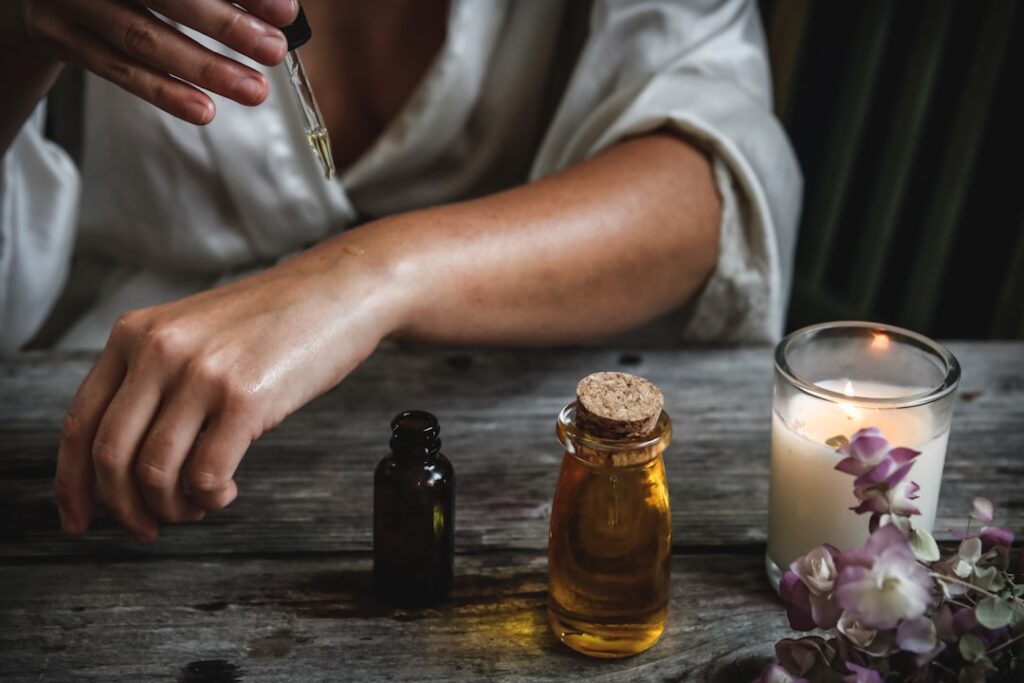
How Can Essential Oils Help with Stress?
Essential oils are aromatic extracts from plants that many people use for relaxation and emotional balance. Scientific research and community experience suggest that certain scents can help the body and mind respond more calmly to everyday stress. While essential oils are not a replacement for medical care if chronic stress or anxiety becomes severe, they can be a gentle addition to holistic daily routines.
For residents of Lamesa, the dry climate and wide seasonal temperature swings can add unique pressures to daily life. Essential oils offer a natural way to create a calming environment at home or to carry a sense of ease on the go.
Which Essential Oils Are Commonly Associated with Stress Relief?
The most widely recognized essential oils for supporting stress relief include:
- Lavender: Its scent is among the most broadly studied for relaxation and sleep quality. Many people in the community find it helpful before bedtime or during periods of tension.
- Bergamot: This citrus-derived oil can create an uplifting atmosphere, particularly if dull winter days or spring dust storms affect mood indoors.
- Frankincense: Known for grounding qualities, frankincense may help calm racing thoughts during particularly busy or overwhelming times.
- Chamomile: Chamomile oil shares some properties with the tea, with a mild, sweet smell that can be comforting after a long day.
Residents sometimes combine these oils in blends depending on personal scent preference and what’s available locally. It’s helpful to start with one or two and pay attention to how each feels over time.
How Can Essential Oils Be Safely Used for Stress at Home?
Direct inhalation and diffusing are the simplest ways to use essential oils at home for stress support.
- Diffusers: Add a few drops to a small room diffuser filled with water. This method is safe for most adults and older children, provided that rooms remain well-ventilated.
- Personal Inhalation: Place 1–2 drops on a cotton ball or tissue and breathe in gradually. This technique works well at a desk, in a reading corner, or next to a favorite chair during an evening wind-down.
- Aromatic Baths: Add diluted essential oils to a warm bath. Blend 2–3 drops with a tablespoon of unscented carrier oil (like almond or jojoba) before adding to the water.
Direct skin application is only recommended when oils are thoroughly diluted, as undiluted essential oils can cause irritation—especially in areas prone to dryness from local West Texas weather. Always patch test first.
Are There Any Risks or Precautions to Keep in Mind?
Most oils are generally safe when used as described, but there are a few caveats:
- Sensitivity: Some people may react to certain oils with headaches, allergic reactions, or skin irritation. This is particularly true in dry, windy conditions when skin can be more sensitive.
- Pets and Children: Not all essential oils are safe for pets or young children. Check guidance from reliable sources to confirm which oils are safe for shared household spaces.
- Quality: Look for pure essential oils with transparent sourcing information. Synthetics or additives are more likely to cause reactions or offer diminished results.
- Medical Conditions: Those with asthma, epilepsy, or lingering respiratory concerns from dust exposure should start cautiously or consult their healthcare provider, especially if considering regular use.

Can Essential Oils Be Grown or Sourced Locally?
The climate around Lamesa limits cultivation of traditional aromatic plants like lavender or bergamot, but some herbs (such as rosemary or mint) can be grown in home gardens or containers. These may be used to create simple, homemade aromatic preparations—not essential oils, but often infused oils or steams for personal enjoyment.
Essential oils themselves are usually sourced from larger suppliers since the extraction process requires significant plant material. However, residents sometimes layer these oils with scents from native plants or dried local herbs to craft personalized blends that reflect the region’s unique environment.
What Are Practical Ways to Incorporate Essential Oils into a Daily Routine?
Creating small, repeatable habits is typically more effective than occasional deep-dive relaxation techniques:
- Add a drop of lavender oil to a bedtime pillowcase to support sleep.
- Use a diffuser in a workspace for a short period after a stressful event or meeting.
- Blend a few drops of diluted oil with unscented lotion for hand or neck massage after spending time outdoors in dry, windy weather.
- Carry an inhaler stick or cotton ball with a favorite blend for use during breaks, errands, or traffic delays common with rural driving.
These options can be tailored to fit different home environments, whether small apartments, ranch houses, or shared family spaces.
What Are Common Misconceptions About Essential Oils and Stress?
Some people believe essential oils can “cure” stress-related conditions or act as quick fixes for deeper mental health issues. While pleasant scents can influence mood and help manage short-term tension, they should not replace other important supports like social connections, adequate sleep, or professional counseling if needed.
Another misconception is that “more is better.” Essential oils are potent, and using large amounts does not increase their calming effects—in fact, it often leads to headaches or sensitivity reactions.
How Can Essential Oils Complement the Local Lifestyle?
Life in this region can be shaped by agricultural demands, family commitments, and the stresses of unpredictable weather. Residents often seek simple, portable relaxation methods that do not require special equipment or major time commitments. Essential oils offer a way to personalize daily routines with comfort and flexibility, fitting naturally with the do-it-yourself spirit and practical mindset of area households.