

 See My Latest Article on HelloNation
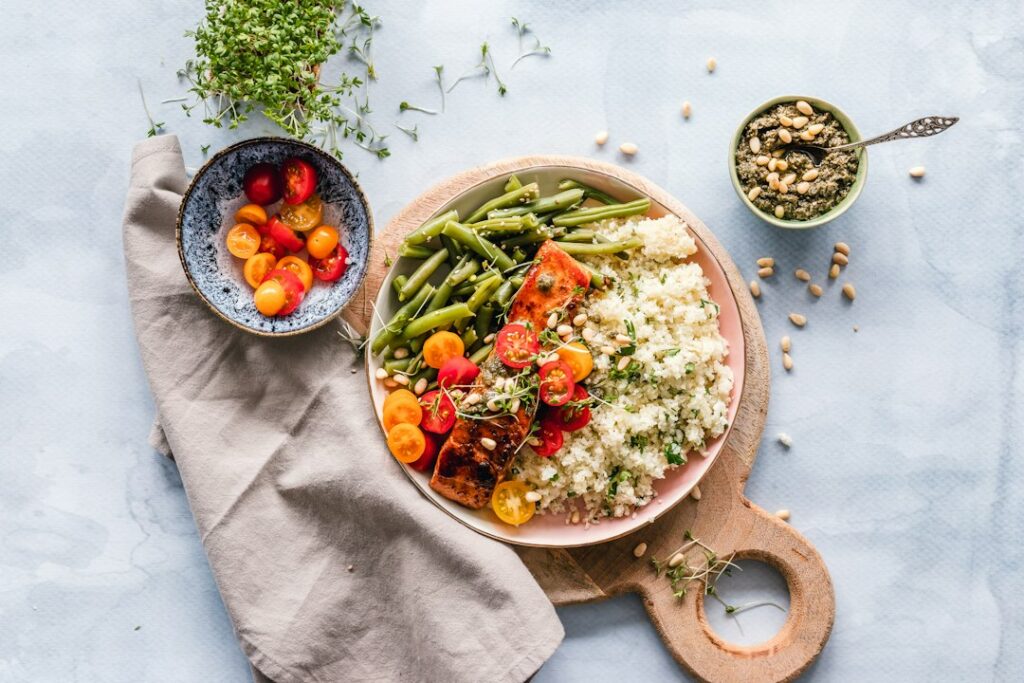
Hormones influence blood sugar, appetite, stress responses, sleep, reproduction, thyroid function, and many other body processes. Food cannot “reset” hormones overnight, but a balanced eating pattern can provide the nutrients and steady energy the endocrine system needs.
For residents of Lamesa, practical choices may include affordable pantry staples, frozen vegetables, beans, eggs, oats, seeds, and fish that can be stored safely during hot weather. The goal is not a restrictive “hormone diet.” It is a consistent pattern built around fiber, protein, healthy fats, and minimally processed foods.
What does “balancing hormones naturally” really mean?
Hormone balance does not mean keeping every hormone at a fixed level. Hormones naturally rise and fall throughout the day and across life stages. A healthier goal is to support normal regulation while addressing factors such as blood sugar swings, inadequate nutrition, chronic stress, poor sleep, or excess alcohol.
Food may support overall metabolic health, but it cannot diagnose or treat conditions such as thyroid disease, polycystic ovary syndrome, diabetes, infertility, or menopause symptoms by itself. Persistent irregular periods, unexplained weight changes, severe fatigue, unusual hair growth, hot flashes, or changes in thirst and urination deserve medical evaluation.
Which foods support steadier blood sugar?
Meals containing fiber, protein, and unsaturated fat generally digest more slowly than meals based mostly on refined carbohydrates. This can help reduce sharp rises and drops in blood glucose, which may affect hunger, energy, and stress-hormone responses.
Useful choices include:
- Oatmeal topped with walnuts, chia seeds, or plain yogurt
- Eggs with whole-grain toast and vegetables
- Beans, lentils, or peas paired with brown rice or corn tortillas
- Apples, berries, or other fruit with nuts or unsweetened yogurt
- Baked potatoes topped with beans, vegetables, or fish rather than eaten alone
Fiber is especially valuable because it supports digestion and may help with cholesterol and overall cardiometabolic health. Vegetables, beans, lentils, fruits, oats, and whole grains are practical sources. Federal nutrition guidance recognizes beans, peas, and lentils as both vegetables and protein foods, making them useful, flexible staples. ([myplate.gov](https://www.myplate.gov/web/web/eat-healthy/vegetables?utm_source=openai))
A simple plate pattern is half vegetables or fruit, one-quarter protein, and one-quarter whole grains or starchy vegetables. Portions can be adjusted for age, activity, medical needs, and appetite.
Are cruciferous vegetables helpful for hormone health?
Broccoli, cabbage, cauliflower, kale, turnip greens, and similar vegetables provide fiber and plant compounds that support general health. They are sometimes described online as foods that “remove excess estrogen,” but that claim is too strong.
These vegetables do not directly flush hormones from the body. Their value comes from being nutrient-dense, high in fiber, and useful as part of an overall eating pattern. Fresh, frozen, or canned vegetables can all count. Frozen vegetables may be particularly practical during hot periods when households want to limit frequent shopping or avoid produce spoilage.
Try roasted cauliflower, cabbage in bean soup, frozen broccoli with eggs, or greens added to a lentil dish. Variety matters more than finding one special vegetable.
What foods provide healthy fats and omega-3s?
Healthy fats help provide energy and support cell membranes, including those involved in hormone signaling. Omega-3 fatty acids are found in seafood, flaxseed, chia seeds, walnuts, soybean oil, and canola oil. The body needs alpha-linolenic acid from food, while fatty fish provide the longer-chain omega-3s EPA and DHA. ([ods.od.nih.gov](https://ods.od.nih.gov/factsheets/Omega3FattyAcids-Consumer/?utm_source=openai))
Practical options include:
- Salmon, sardines, trout, or other lower-mercury seafood
- Ground flaxseed stirred into oatmeal or yogurt
- Chia seeds added to overnight oats
- Walnuts sprinkled over vegetables or salads
- Avocado used in place of some butter or creamy sauces
Fish is not required for a healthy diet. Beans, seeds, nuts, eggs, and soy foods can contribute protein and other nutrients. Anyone taking blood-thinning medication or considering high-dose fish oil should discuss supplements with a qualified healthcare professional.
Do soy foods and flaxseed change estrogen levels?
Soy foods and flaxseed contain phytoestrogens, plant compounds with chemical structures that resemble estrogen. Their effects are not the same as taking estrogen medication, and ordinary food portions should not be confused with concentrated supplements. NIH information identifies legumes, including soy, as sources of phytoestrogens. ([health.nih.gov](https://health.nih.gov/health-topics-a-z/endocrine-disruptors?utm_source=openai))
Research on phytoestrogen supplements for menopause symptoms has produced inconsistent results. Flaxseed products have not clearly reduced hot flashes better than placebo, and long-term safety of concentrated supplements is not well established. ([nccih.nih.gov](https://www.nccih.nih.gov/health/menopausal-symptoms-in-depth?utm_source=openai))
Food-based portions such as tofu, tempeh, edamame, soy milk, or ground flaxseed can fit into many eating patterns. People with hormone-sensitive conditions, those taking medication, and those who are pregnant or breastfeeding should ask a healthcare professional before using concentrated hormone-related supplements.

Which nutrients should not be overlooked?
Hormone production and metabolism depend on adequate overall nutrition. A varied diet can provide:
- Protein: Eggs, poultry, fish, beans, lentils, yogurt, nuts, seeds, and tofu
- Magnesium: Beans, leafy greens, nuts, seeds, and whole grains
- Iron: Beans, lentils, lean meat, spinach, and fortified grains
- Iodine: Iodized salt, dairy products, eggs, and seafood
- Calcium and vitamin D: Dairy foods, fortified beverages, canned fish with bones, and safe sunlight practices
- Zinc: Meat, seafood, beans, dairy foods, and seeds
More is not always better. Taking individual vitamins or minerals without a demonstrated need can cause side effects or interfere with medications. Sea moss, “detox” products, hormone creams, and herbal blends are not automatically safe because they are labeled natural.
How can meals work in a hot, busy climate?
Heat can reduce appetite and make cooking less appealing. Planning a few no-fuss combinations can help maintain regular meals:
- Bean and vegetable bowls with whole grains
- Plain yogurt with fruit, oats, and seeds
- Tuna or salmon mixed with beans and chopped vegetables
- Hard-boiled eggs with fruit and whole-grain crackers
- Frozen vegetables added to soups, rice dishes, or omelets
Keep perishable foods refrigerated and avoid leaving cooked food at room temperature for extended periods. Staying hydrated also matters, but sweetened drinks can add substantial sugar without much fiber or protein. Water, unsweetened tea, and milk or fortified alternatives can be useful everyday choices.
When should food changes not be the only response?
A food pattern may support health, but symptoms should not automatically be blamed on “hormone imbalance.” Very heavy or irregular bleeding, missed periods, severe pelvic pain, persistent acne with excess hair growth, sudden weakness, unexplained weight change, or ongoing fatigue can have several causes.
Hormone-related conditions often require testing, medication, or individualized dietary guidance. Food is most useful as part of a broader approach that includes adequate sleep, regular movement, stress management, and appropriate medical care when symptoms persist.