

 See My Latest Article on HelloNation
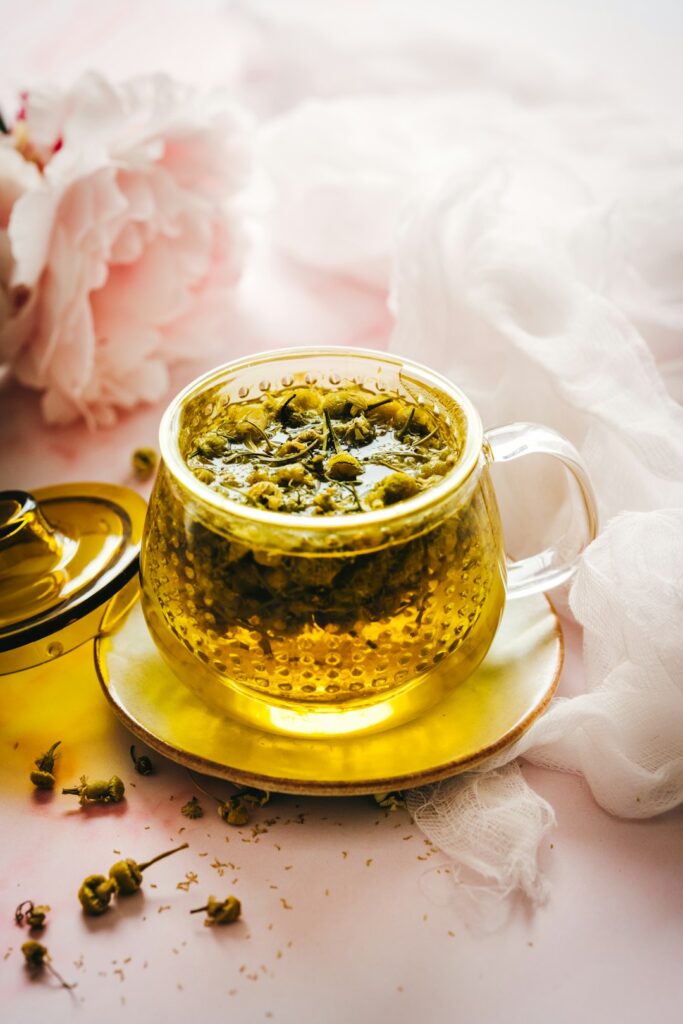
Herbal teas can provide comfort for mild, short-term symptoms, especially by supplying warm fluids and encouraging rest. They should be viewed as supportive home care—not a replacement for diagnosis or treatment when symptoms are severe, persistent, or unusual.
For residents of Lamesa, TX, tea can be especially useful during dry, hot weather, when sore throats, mild dehydration, and seasonal respiratory discomfort may feel worse. The most appropriate herb depends on the symptom, existing health conditions, medications, and how the tea is prepared.
Which herbal teas may help with nausea?
Ginger tea is one of the more reasonable herbal options for mild nausea. It may be useful for occasional stomach upset, motion-related nausea, or nausea associated with pregnancy, although concentrated ginger supplements are different from ordinary tea and may carry different risks. Research suggests ginger may help with mild nausea and vomiting during pregnancy, but safety is not considered conclusive for every preparation or dose. ([nccih.nih.gov](https://www.nccih.nih.gov/health/womens-health-and-complementary-approaches?utm_source=openai))
To prepare ginger tea, steep a few thin slices of fresh ginger in hot water for about 5 to 10 minutes. A small amount of honey may improve the flavor. People who experience heartburn should use caution because ginger can sometimes cause stomach irritation.
Seek medical care rather than relying on tea if nausea occurs with severe abdominal pain, repeated vomiting, confusion, chest pain, signs of dehydration, blood in vomit, or inability to keep fluids down.
What tea is useful for bloating or digestive discomfort?
Peppermint tea may feel soothing for occasional gas, fullness, or mild digestive discomfort. Peppermint’s cooling sensation can relax some digestive muscles, although evidence for peppermint tea itself is not as strong as the evidence for enteric-coated peppermint oil used in certain irritable bowel syndrome studies. Research reviewed by the National Center for Complementary and Integrative Health indicates that peppermint oil may improve overall IBS symptoms and abdominal pain in the short term. ([nccih.nih.gov](https://www.nccih.nih.gov/health/irritable-bowel-syndrome-what-you-need-to-know?utm_source=openai))
Peppermint tea is not ideal for everyone. It may worsen reflux, heartburn, or a burning sensation in the chest. People with frequent reflux may prefer plain warm water or ginger tea instead.
Persistent bloating, unexplained weight loss, black or bloody stools, ongoing diarrhea, or recurring abdominal pain should not be treated only with herbal tea.
Can chamomile tea help with sleep or stress?
Chamomile tea is commonly used as a calming evening beverage. Its warmth and routine may support relaxation, but strong evidence that chamomile tea treats insomnia is limited. NCCIH reports that research on chamomile for insomnia is sparse, and one review found no clear benefit from the available study. ([nccih.nih.gov](https://www.nccih.nih.gov/health/chamomile?utm_source=openai))
A cup before bed may still be a reasonable comfort practice for adults who tolerate chamomile. Keep expectations modest: it is more accurate to describe chamomile as a relaxing beverage than as a proven sleep treatment.
Avoid chamomile if there has been an allergy to ragweed, chrysanthemums, marigolds, daisies, or related plants. Allergic reactions can occur, although side effects are uncommon. Chamomile may also interact with warfarin and sedating medicines, and its safety during pregnancy or breastfeeding is uncertain. ([nccih.nih.gov](https://www.nccih.nih.gov/health/chamomile?utm_source=openai))
Which teas can soothe a sore throat or mild cough?
Warm liquids can temporarily soothe a dry or irritated throat. Plain herbal tea, ginger tea, or chamomile tea may be comfortable choices. Honey added to warm tea can also coat the throat for adults and children over one year of age. MedlinePlus lists warm liquids such as tea with honey among measures that may ease sore-throat discomfort. ([medlineplus.gov](https://medlineplus.gov/ency/article/000639.htm?utm_source=openai))
Tea does not cure strep throat, influenza, COVID-19, pneumonia, or other infections. A sore throat accompanied by difficulty breathing, inability to swallow fluids, drooling, severe swelling, dehydration, or a persistent high fever needs prompt medical evaluation. A sore throat with white patches, swollen neck glands, or no cough may also require testing for strep.
For cough, warm fluids may lessen throat irritation, but tea should not be presented as a reliable treatment for an underlying lung condition. Wheezing, chest pain, shortness of breath, bluish lips, or coughing up blood require urgent attention.
Is licorice tea safe for frequent use?
Licorice root tea deserves more caution than many household herbal teas. It is sometimes used for throat or digestive comfort, but larger amounts or prolonged use can contribute to high blood pressure, low potassium, swelling, and abnormal heart rhythms. It may be particularly risky for people with hypertension, heart disease, kidney disease, or those taking diuretics or certain heart medicines.
Because safety depends on the type, amount, and duration of use, licorice tea should not become a daily habit without checking whether it is appropriate for the individual. “Natural” does not automatically mean harmless; herbal products can cause side effects, interact with medicines, or contain ingredients not clearly listed on the label. ([medlineplus.gov](https://medlineplus.gov/ency/patientinstructions/000868.htm?utm_source=openai))
How should herbal tea be used safely?

For most healthy adults, an occasional cup prepared according to the package directions is less concerning than concentrated extracts, tinctures, or large amounts consumed repeatedly. Practical precautions include:
- Choose a simple, clearly labeled tea rather than a blend with many unfamiliar ingredients.
- Follow the preparation and serving directions.
- Avoid combining several sedating herbs before driving or operating equipment.
- Do not assume a tea is safe for children simply because it is safe for adults.
- Ask a pharmacist or health care professional about interactions when taking prescription medicines, blood thinners, diabetes medicines, blood-pressure drugs, sedatives, or hormonal contraceptives.
- Use extra caution during pregnancy or breastfeeding, because safety information is limited for many herbs.
- Stop using the tea if it causes rash, swelling, dizziness, worsening heartburn, unusual bleeding, or other new symptoms.
NCCIH emphasizes that dietary supplements do not undergo the same premarket approval process as prescription medicines, and manufacturers generally do not have to prove safety and effectiveness before products are sold. ([nccih.nih.gov](https://www.nccih.nih.gov/health/safety?utm_source=openai))
When is tea not enough?
Herbal tea is most appropriate for mild symptoms that are improving and do not suggest a serious condition. It should not delay care for severe pain, breathing difficulty, fainting, confusion, persistent vomiting, dehydration, blood in stool or vomit, or symptoms that continue beyond a reasonable period.
In the dry climate and warm seasons common to the area, tea can contribute to fluid intake, but water and medically appropriate rehydration fluids remain important. People with diabetes, kidney disease, heart failure, or fluid restrictions should follow their individualized guidance rather than increasing beverages automatically. Herbal tea can be a useful comfort measure, but identifying the cause of a symptom is more important than finding the strongest-tasting herb.