

 See My Latest Article on HelloNation
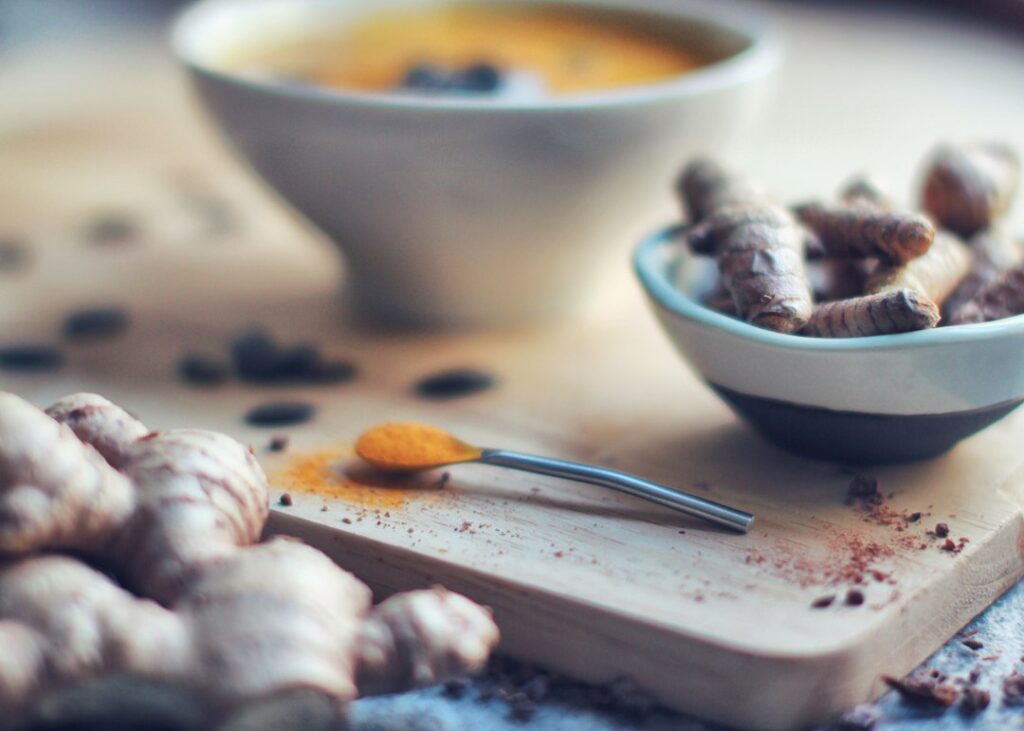
Spices have long been used in traditional foodways for flavor, preservation, digestion, and comfort. Modern research suggests that several popular spices contain compounds with antioxidant, anti-inflammatory, or digestive effects, but these benefits are usually modest and do not make spices a replacement for medical treatment.
For residents of Lamesa, TX, spices can be a practical way to add flavor to meals while reducing reliance on excess salt, sugar, or heavily processed sauces. The key is understanding what each spice may reasonably do, how to use it in food, and when concentrated supplements may create risks.
Which spices have the strongest evidence for health benefits?
Ginger, turmeric, cinnamon, garlic, and black pepper are among the most commonly studied culinary spices. Their effects vary widely depending on the amount used, the form consumed, and the individual’s health.
Ginger may support digestion and nausea relief
Ginger is commonly used in teas, soups, stir-fries, and baked foods. It has traditionally been used to ease nausea and digestive discomfort. Research suggests ginger may help some people with nausea related to pregnancy, motion, or certain medical treatments, although results depend on the situation.
Fresh ginger can be grated into hot water, added to beans or vegetables, or mixed into marinades. Dried ginger is more concentrated by volume and has a warmer, sweeter flavor.
Large amounts of ginger may cause heartburn, stomach irritation, or diarrhea. People who take blood-thinning medication or have a bleeding disorder should ask a qualified health professional before using concentrated ginger supplements.
Turmeric contains curcumin, an extensively studied compound
Turmeric gives curry blends and many other dishes their yellow-orange color. Curcumin, one of its main compounds, has been studied for possible anti-inflammatory and antioxidant activity.
The evidence is more limited than many popular claims suggest. Turmeric in food is generally used in small amounts and can contribute color and flavor, but culinary use should not be confused with the high doses found in supplements. Research has not established turmeric supplements as a cure for arthritis, digestive disease, cancer, or other major conditions.
Turmeric is useful in lentil dishes, rice, roasted vegetables, eggs, soups, and warm beverages. A small amount of black pepper is often paired with turmeric because piperine, a compound in black pepper, may increase curcumin absorption. Increased absorption is not automatically better for everyone, however.
Some highly absorbable curcumin products have been linked with liver injury. Turmeric may also cause nausea, reflux, diarrhea, or constipation. People with gallbladder problems, those preparing for surgery, pregnant individuals, and anyone taking medication should seek medical guidance before using concentrated products.
Cinnamon may help add sweetness without added sugar
Cinnamon is often associated with oatmeal, fruit, coffee, and baked foods. Its naturally sweet aroma can make meals more satisfying without adding sugar.
Some studies have examined cinnamon’s possible effect on blood glucose, but the evidence is inconsistent, and cinnamon should not be used to manage diabetes in place of prescribed treatment. It is best viewed as a flavoring ingredient rather than a blood-sugar medicine.
Cassia cinnamon, the type commonly found in many kitchens, contains more coumarin than Ceylon cinnamon. High and repeated intake of coumarin may be hard on the liver in susceptible people. Sprinkling cinnamon on food is generally different from taking spoonfuls or capsules every day.
A practical use is adding cinnamon to plain yogurt, unsweetened oatmeal, roasted winter squash, or sliced fruit. Anyone with liver disease or who uses multiple medications should discuss regular high-dose use with a health professional.
Garlic may support heart-healthy eating patterns
Garlic contains sulfur compounds that are released when cloves are chopped, crushed, or chewed. Garlic supplements have been studied for possible effects on blood pressure and cholesterol, but the results are not strong enough to treat cardiovascular disease.
Fresh garlic can make vegetables, beans, soups, and whole grains more flavorful. Using it in place of some salt may support a heart-conscious eating pattern. Cooking changes the activity of some compounds, but garlic remains a nutritious ingredient in many forms.
Garlic can cause heartburn, gas, or digestive upset. Concentrated garlic products may increase bleeding risk, particularly when combined with blood-thinning medicines or before surgery.
Black pepper can improve flavor and may affect absorption
Black pepper contains piperine, which gives it its sharp taste. It can help make lower-salt meals more appealing and is used in foods ranging from vegetables and eggs to soups and meats.
Piperine may increase the absorption of certain substances, including some medications and herbal compounds. This is one reason concentrated black pepper extracts deserve more caution than ordinary seasoning. People taking prescription medicine should avoid assuming that “natural” combinations are automatically harmless.
How can spices be used safely in everyday meals?

For most healthy adults, culinary amounts are the simplest and safest way to enjoy spices. Practical options include:
- Add ginger to tea, soups, beans, or vegetable dishes.
- Use turmeric with black pepper in rice, lentils, eggs, or roasted vegetables.
- Sprinkle cinnamon on fruit, oats, or plain yogurt instead of adding extra sugar.
- Replace some salt with garlic, onion, cumin, paprika, or black pepper.
- Combine several spices in homemade seasoning blends so meals remain flavorful without relying on packaged sauces.
Hot, dry conditions can encourage residents to prepare more meals at home using shelf-stable ingredients such as rice, beans, canned vegetables, and dried herbs. Spices can make these foods more appealing, but dried spices should still be stored in tightly closed containers away from heat and moisture.
Discard spices that develop an unusual odor, signs of moisture, insects, or visible mold. Foodborne contamination is uncommon in ordinary household use, but safe storage, clean utensils, and proper cooking remain sensible precautions.
Are spice supplements better than using spices in food?
Not necessarily. Supplements provide much larger and more concentrated amounts than normal cooking, and products can vary in strength, purity, and absorption. A supplement may also interact with prescription medicines or affect bleeding, blood sugar, blood pressure, digestion, or liver function.
Spices in food are generally consumed in smaller amounts alongside a broader diet. Supplements should not replace prescribed treatment, a varied eating pattern, or medical evaluation for ongoing symptoms.
Extra caution is appropriate for children, pregnant or breastfeeding individuals, people with liver or gallbladder disease, those scheduled for surgery, and anyone taking medication for blood pressure, diabetes, clotting, seizures, or depression.
What should people remember about the “healing” claims?
Spices can support healthy eating, but they rarely act like medications. A food may contain a promising compound without proving that a supplement can prevent or cure disease. Laboratory findings, traditional use, and early human studies are not the same as strong clinical evidence.
A balanced approach is to use spices regularly in normal cooking, choose meals rich in vegetables, beans, fruits, whole grains, and adequate protein, and treat concentrated products with caution. Persistent pain, unexplained weight change, repeated nausea, bleeding, jaundice, or other concerning symptoms require medical evaluation rather than self-treatment with herbs or spices.